Seonix Pricing Plans and Cost Breakdown
Compare Seonix plans by features, limits, setup needs, and expected output cost. This pricing guide helps founders, marketers, agencies, and multi-site teams choose the right next step with confidence.
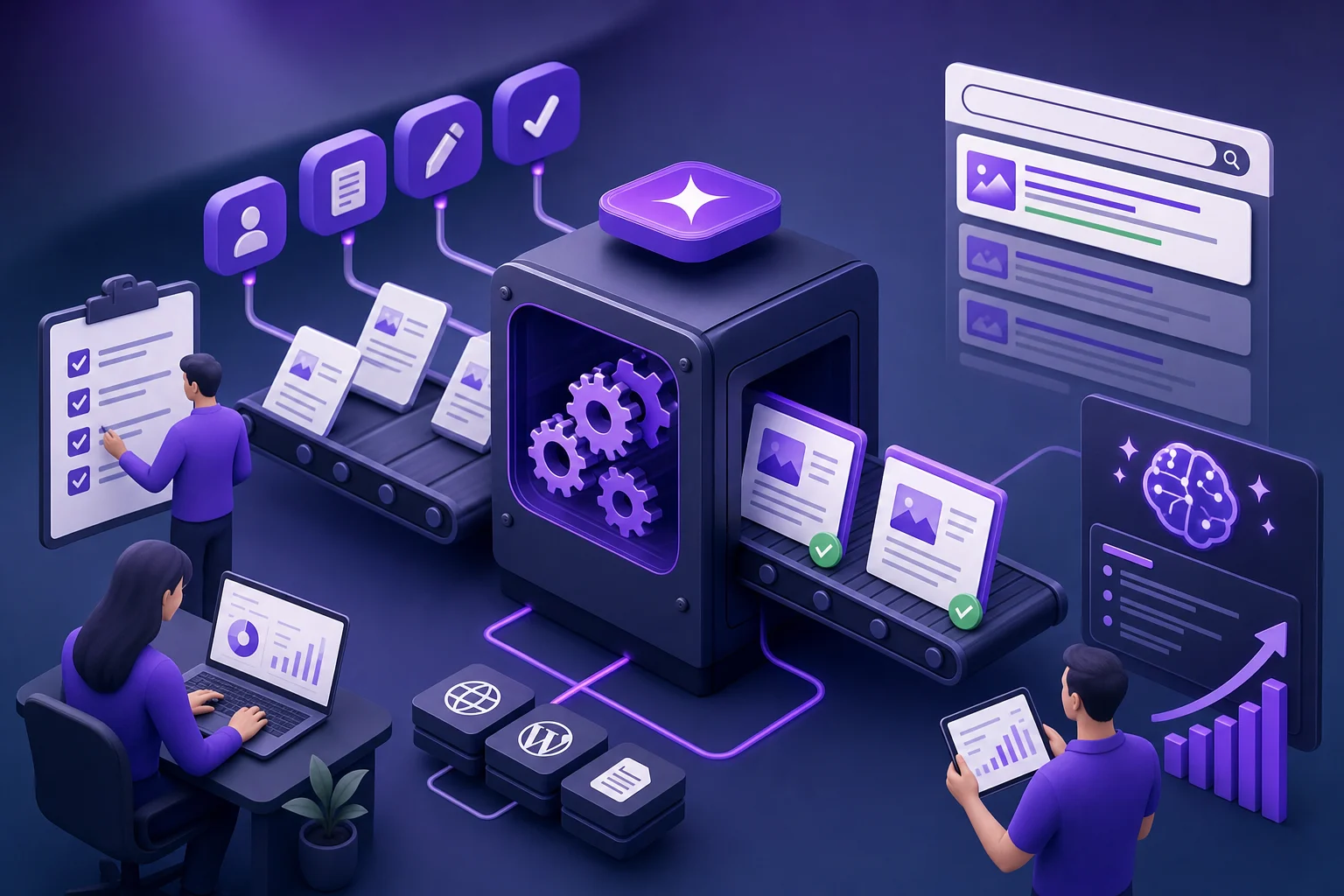
SEO is a repeatable process: research the demand, plan topics, write, optimize, publish, measure, repeat. Every repeatable step can be automated — the interesting questions are which steps, in what order, and with what quality controls, so automation compounds instead of producing noise.
This category collects our working answers: how automated keyword research and clustering work, what a full content pipeline looks like from query to published article, how to keep quality gates around AI-written drafts, and how to judge the ROI of automating versus hiring. It reflects the pipeline Seonix runs for its customers every day.
If you are choosing tooling, begin with the platform comparisons and the ROI calculators — they walk through the full cost math, from subscription fees to review time, using verified July 2026 prices. If you already run automation, the workflow and risk-checklist articles help you tighten quality gates before scaling volume. Either way, every recommendation here comes from a pipeline operating in production, not from theory.


Compare Seonix plans by features, limits, setup needs, and expected output cost. This pricing guide helps founders, marketers, agencies, and multi-site teams choose the right next step with confidence.

Founders do not just need traffic. They need a growth model that turns time and budget into compounding search results without heavy overhead. This article breaks down automated SEO ROI for founders so you can compare software, agency retainers, and in-house execution by cost, output, and operating effort.

Comparing SEO autopilot tools starts with the real cost, not just the headline price. This guide breaks down Babylovegrowth plans, article limits, trial and refund terms, and where alternatives like Seonix may be the better fit.

Automation ROI is not just a software cost question. This guide shows how to calculate saved hours, reduced manual SEO spend, publishing output, traffic upside, and lead value so you can compare automation against your current workflow.

Agency SEO tools need to do more than track rankings. This guide gives teams a practical framework for comparing workflow coverage, client dashboards, reporting, integrations, pricing limits, and proof of visibility across Google and AI search.

Soro SEO may look simple at checkout, but the real cost depends on plan limits, content volume, backlink promises, publishing control, and cancellation terms. This pricing breakdown helps buyers compare Soro, Babylovegrowth, and Seonix before committing budget.

AI SEO tools do more than draft articles. This explainer breaks down the full workflow behind opportunity analysis, content generation, optimization, technical support, human review, and performance learning.

Choosing between SEO automation and an agency depends on how fast you need to publish, how much control you want, and what expertise your team already has. This comparison breaks down setup, scalability, reporting, cost control, and when a hybrid model makes sense.

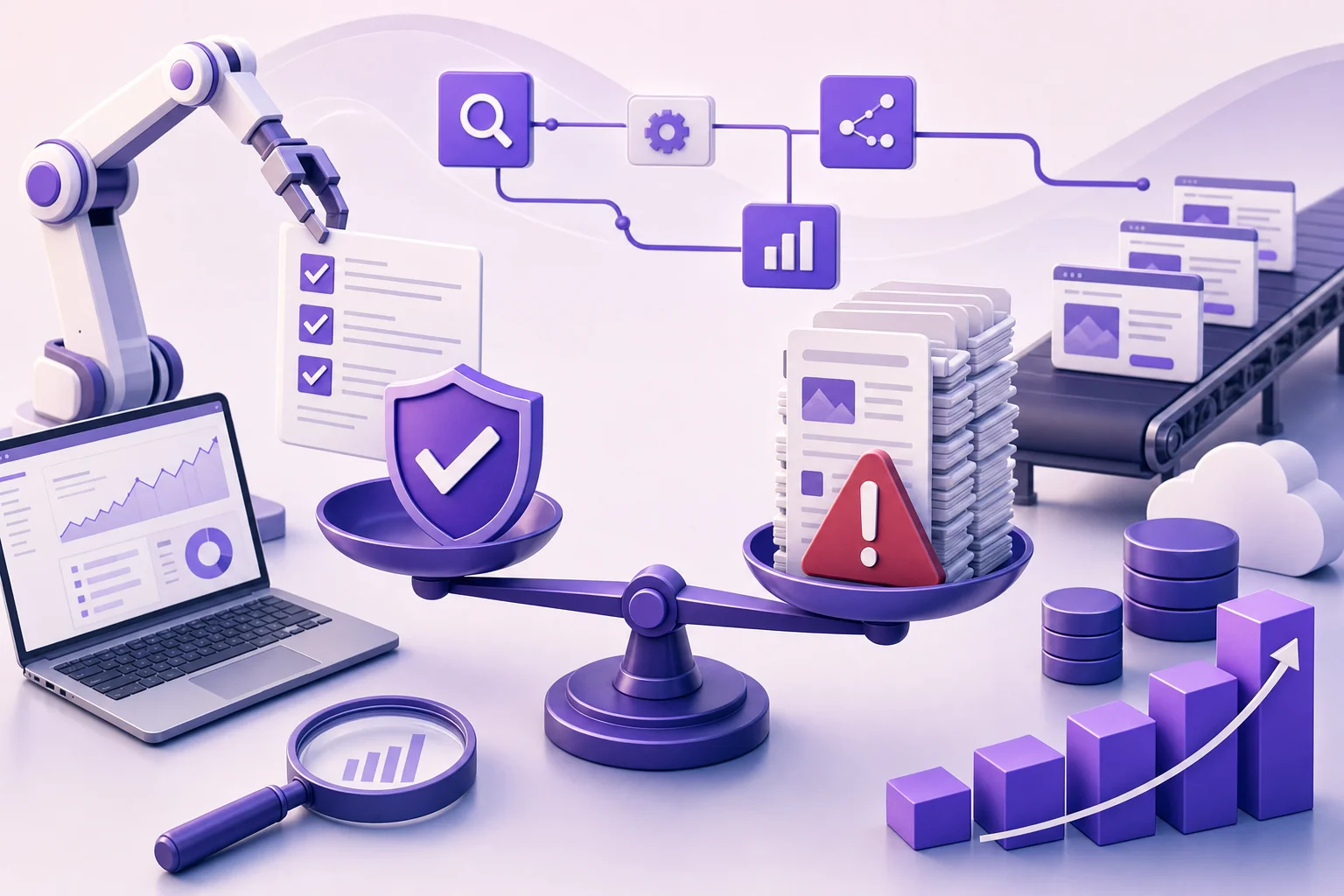
SEO automation only works when visibility tracking is tied to clear controls, ownership, and review checkpoints. This article shows how to choose safe tasks to automate, approve risky outputs, and monitor the metrics that actually signal quality and growth.

Confirm you are on the official Seonix website and see what the AI SEO automation platform does. This page explains how Seonix researches queries, creates optimized content, publishes to your site, and tracks performance over time.

SEO content automation can remove slow manual work without turning your site into a content factory. This guide shows where automation fits, where human review still matters, and how performance data should feed the next round of improvements.

See how an automated organic growth platform can replace manual SEO research, content production, publishing, and performance tracking. This page breaks down Seonix workflows, controls, setup speed, ROI signals, and when booking a demo makes sense.

Manual SEO operations slow down teams that need consistent visibility. This article explains how Seonix automates research, content creation, publishing, and performance improvement so businesses can grow through Google search and AI answers with less hands-on work.

See how Seonix turns SEO production into a managed workflow from query research to optimized publishing. The article explains where automation fits, how quality safeguards work, and how teams can track gains in organic traffic, leads, and AI visibility.

SEO automation can speed up content production, but it needs clear safeguards to protect quality, privacy, publishing workflows, and search performance. This guide shows how to assess platform controls and build a practical checklist before scaling.

Agencies need SEO software that does more than run audits or track rankings. This guide breaks down the automation, approval, reporting, publishing, and performance features that help teams deliver repeatable results across multiple clients.

Automated SEO content only works when the numbers make sense. This guide shows how to calculate break-even leads, payback period, cost per article, and the metrics that prove ROI is improving.

Organic visibility now depends on more than rankings. This article explains how automated diagnostics, content generation, publishing, and tracking can improve visibility across Google results and AI answer engines.

Rolling out SEO automation works best when teams phase it in with clear owners, review rules, and integration checks. This roadmap shows how to move from pilot to scaled publishing without disrupting marketing, website, or approval workflows.

SEO automation only makes sense if the numbers work. This guide shows how to estimate hours saved, compare platform costs against manual work, and judge the business value beyond direct savings.

Agency content delivery breaks down when every brief, draft, approval, and upload depends on manual work. This checklist shows how to evaluate SEO automation for multi-client workflows, brand controls, publishing access, and performance reporting.

Estimate whether SEO automation can pay back through lower production costs, faster publishing, and more organic growth. This guide explains the formulas, inputs, and assumptions needed to build a realistic ROI case before you invest.

A strong weekly organic visibility report should do more than summarize rankings and traffic. This template shows how to turn visibility changes into thresholds, likely causes, recommended fixes, and automated SEO actions.

A live page can disappear from Google for several reasons: indexing delays, crawl blocks, weak discovery signals, or conflicting canonical tags. This guide walks through a focused diagnosis so you can find the first issue to fix instead of guessing.

Scaling SEO does not have to mean hiring a bigger team or managing endless workflows. This guide breaks down practical ways content automation helps you publish faster, stay consistent, and grow organic visibility with less effort.