

Automated Organic Growth Platform: Measure SEO Time Savings with Seonix
An automated organic growth platform is software that turns SEO research, content creation, publishing, tracking, and AI visibility work into one repeatable workflow. The automated organic growth platform category matters because organic demand now spreads across Google results, featured answers, and AI tools. These tools may summarize brands before buyers click.
Manual SEO breaks down when a lean team needs 20 customer-led articles, CMS publishing, sitemap updates, and performance checks every month. A founder can approve topics fast. However, keyword grouping, briefs, metadata, internal structure, publishing, and tracking still take many hours.
This article explains what Seonix automates, where manual work slows growth, and how to judge fit. You will also see a workflow comparison, a static ROI calculator model, setup timing, quality controls, and a practical path from signup to published content.
What is an automated organic growth platform?
An automated organic growth platform connects the full SEO content lifecycle. Therefore, a business can move from search demand to live, tracked pages with less manual work. Seonix analyzes a website, finds real customer queries, creates optimized articles, publishes through website integrations, and tracks performance over time.
The key shift is scope. A writing tool produces text. By contrast, an organic growth platform manages research, planning, production, publishing, indexing support, and visibility feedback in one workflow. For example, a B2B service site with 12 core offer pages can use the platform to build topic coverage around buyer questions. It does not need to hire a full SEO team first.
Seonix also targets AI answer visibility, not only blue-link rankings. AI search systems tend to reward clear, useful, well-structured content that answers specific questions. Therefore, the platform supports content depth, clean page structure, and ongoing tracking across search and AI discovery patterns.
Good to know: A practical SEO content workflow often has 7 stages: audit, keyword discovery, topic planning, brief creation, writing, publishing, and tracking. Automation creates value when it connects all 7 instead of speeding up only one task.
Where do automated workflows slow organic growth platform results?
Manual SEO workflows slow organic leads at handoff points. Research waits for analysis. Drafts wait for review. Approved content waits for publishing. Live pages wait for tracking. Each delay reduces the number of buyer questions your website can answer each month.
A common scenario looks simple at first. A marketer finds 50 useful queries, selects 10 article ideas, hires a writer, edits drafts, uploads posts, adds metadata, submits URLs, then checks rankings later. Yet each step needs context, access, and follow-up. As a result, one article can take several working days from idea to live page.
Repetitive work creates the largest drag. Keyword grouping, headings, meta descriptions, schema-ready structure, internal link planning, CMS formatting, and sitemap checks rarely need senior judgment every time. However, businesses still assign skilled people to these tasks because disconnected tools leave gaps. A good automated organic growth platform reduces that drag by linking the repeated steps.
Why slow publishing hurts lead generation
Organic lead growth depends on coverage. If your market contains 300 high-intent questions and your team publishes 4 articles per month, full coverage takes more than 6 years. If automation helps publish 20 useful articles per month, the same topic map takes 15 months.
Speed alone does not create leads, though. The content must match commercial intent, answer the query, and point readers toward the next step. For instance, an agency selling analytics setup should not publish broad “what is analytics” posts first. Better articles would target setup cost, migration risk, reporting templates, and platform comparisons.
How does Seonix make the organic growth platform automated end to end?
Seonix automates the full content growth lifecycle. It connects search analysis, topic selection, AI-powered content generation, publishing, tracking, and continuous optimization. The workflow reduces manual SEO tasks while the business stays focused on approvals, positioning, and outcomes.

The process starts with the website URL. Seonix reviews the site context, offer structure, visible pages, and search opportunities. Then it identifies customer queries that match the business model. This step matters because traffic from poor-fit topics can raise visits without raising revenue.
After research, Seonix generates article plans and SEO-optimized drafts. The content targets search intent, headings, internal structure, metadata, and practical answers. For a local service business, that might mean pages for costs, timelines, service comparisons, and problem-led questions. For a software company, it might mean use cases, integrations, alternatives, workflows, and ROI queries.
Publishing can happen directly to an existing website through supported CMS connections or a custom REST API. Teams that use WordPress, Ghost, Webflow, Wix, or other CMS setups can review the available publishing integrations before rollout. Once articles go live, tracking closes the loop by showing which topics gain visibility and which need improvement.
Automated topic planning and content creation
Seonix uses keyword and topic planning to build content around real buyer demand, not random blog ideas. A strong plan groups similar queries, avoids duplicate posts, and orders topics by likely business value. This reduces the risk of publishing 10 articles that all compete for the same search intent.
AI-powered content generation then turns the plan into structured articles. Strong automation does not mean “publish anything the model writes.” Instead, useful AI-assisted content needs clear audience context, product positioning, fact checks, search intent alignment, and measurable goals. As an automated organic growth platform, Seonix keeps those steps in one managed workflow.
Publishing, indexing, and sitemap support
Automated publishing removes a major bottleneck because drafts do not sit in a folder after approval. Seonix can push content to a CMS, apply formatting, and support crawl readiness through clean URLs, metadata, and sitemap-aware workflows.
Indexing is not instant. Google still decides when and whether to index a page. Yet well-structured publishing helps crawlers find fresh articles faster. A practical setup also checks that internal links, canonical tags, and sitemap entries do not block discovery.
Organic growth compounds when research, publishing, and learning operate as one system instead of three separate projects.
Manual SEO vs. an Organic Growth Platform: Automated Workflow
| Workflow Area | Manual SEO Process | Seonix Automated Platform | Business Impact |
|---|---|---|---|
| Website analysis | Manual audit | URL-based scan | Faster setup |
| Keyword research | Spreadsheet grouping | Query discovery | Less research time |
| Topic planning | Editorial meetings | Prioritized content queue | Clearer focus |
| Brief creation | One-off documents | Structured SEO briefs | Consistent intent match |
| Content writing | Writer handoffs | AI-assisted drafts | Higher output |
| CMS publishing | Manual upload | Direct publishing | Shorter launch cycle |
| Indexing support | Manual checks | Sitemap-aware workflow | Better crawl readiness |
| Performance tracking | Tool switching | Visibility monitoring | Faster learning |
| AI visibility | Ad hoc testing | AI search monitoring | Broader discovery |
The difference between manual SEO and Seonix is not only speed. The larger gain comes from removing broken handoffs between planning, writing, publishing, and measurement. A team can then spend more time on offer strategy, conversion paths, and sales follow-up.
Generic providers can still make sense in narrow cases. If you need one one-off article for a small campaign, a freelance writer or basic content tool may cost less and feel simpler. Yet that option rarely manages query discovery, CMS publishing, tracking, and continuous optimization together.
Watch out: Manual SEO costs hide inside meetings, tool switching, edits, and CMS work. A 1,500-word article can require several separate handoffs before it goes live.
How can an automated platform estimate organic growth savings?
An ROI calculator for an automated organic growth platform should estimate saved labor hours, faster publishing volume, and the lead value of new qualified traffic. The goal is not fake precision. Instead, it should show whether automation can pay back effort and platform cost.
Start with time. A manual article workflow often includes 1 to 2 hours for keyword research, 1 hour for brief creation, 3 to 5 hours for writing or editing coordination, 1 hour for CMS formatting, and 30 minutes for tracking setup. That equals roughly 6.5 to 9.5 hours per article before deeper expert review.
Next, estimate content volume. If a lean team publishes 4 articles per month manually, it may spend 26 to 38 hours on recurring production tasks. Automation that reduces those tasks by 60% to 80% saves about 16 to 30 hours per month on the same output. When the team reinvests that time, publishing can increase without adding headcount.
A static ROI model you can apply
Use three inputs: articles per month, manual hours per article, and loaded hourly cost. Then compare the manual workload against the automated workload. Platform pricing should sit in the same model. Therefore, the decision stays tied to savings and lead potential rather than features alone.
Example: 8 articles per month at 8 manual hours each equals 64 hours. At a loaded cost of $75 per hour, manual production represents $4,800 of labor. If automation cuts recurring production work by 70%, the saved time equals 44.8 hours, or $3,360 of monthly capacity before platform cost.
Rule of thumb: If automated SEO saves 25 or more skilled hours per month and increases content output, the platform deserves a serious ROI review.
Lead potential needs a second layer. Estimate likely qualified visits per article after the content matures, then apply a conversion rate and lead value. For example, 40 qualified visits per article across 24 live articles equals 960 monthly visits. At a 2% lead conversion rate, that produces about 19 leads per month.
Pricing also matters because payback depends on plan fit, publishing volume, and support needs. Review current plan details on the pricing page and compare them with the time value model above. For this reason, an automated organic growth platform needs a clear savings model, not only a feature list.
Transparent benchmark data and case outcomes
Benchmarks for automated SEO should work as planning ranges, not guaranteed results. In early evaluations, teams often compare three practical outcomes: hours saved per article, articles published per month, and qualified pages that begin earning impressions after indexing.
For example, a lean service business that previously published 2 to 4 optimized articles per month may use automation to test a higher cadence, such as 8 to 20 articles per month. It can keep one approval owner in place. The useful benchmark is not only output volume. It is whether those articles target buyer-intent queries, reach the site faster, and create measurable impressions, clicks, or leads over the following months.
An anonymized case-style snapshot might look like this: a B2B company with a clear offer connects its site, approves a focused topic queue, publishes an initial batch of problem-aware articles, and uses visibility data to expand around topics that show early search traction. In that scenario, track the move from a stalled manual workflow to a repeatable publishing and learning loop. Teams should judge performance by qualified traffic, conversion paths, and sales follow-up quality rather than vanity page count.
From signup to published articles: automated platform for organic growth
Implementation starts with website access, business context, and publishing preferences. Then it moves into automated analysis, content planning, approvals, and CMS delivery. A business can move from signup to published optimized articles quickly when the site structure and publishing integration are ready.
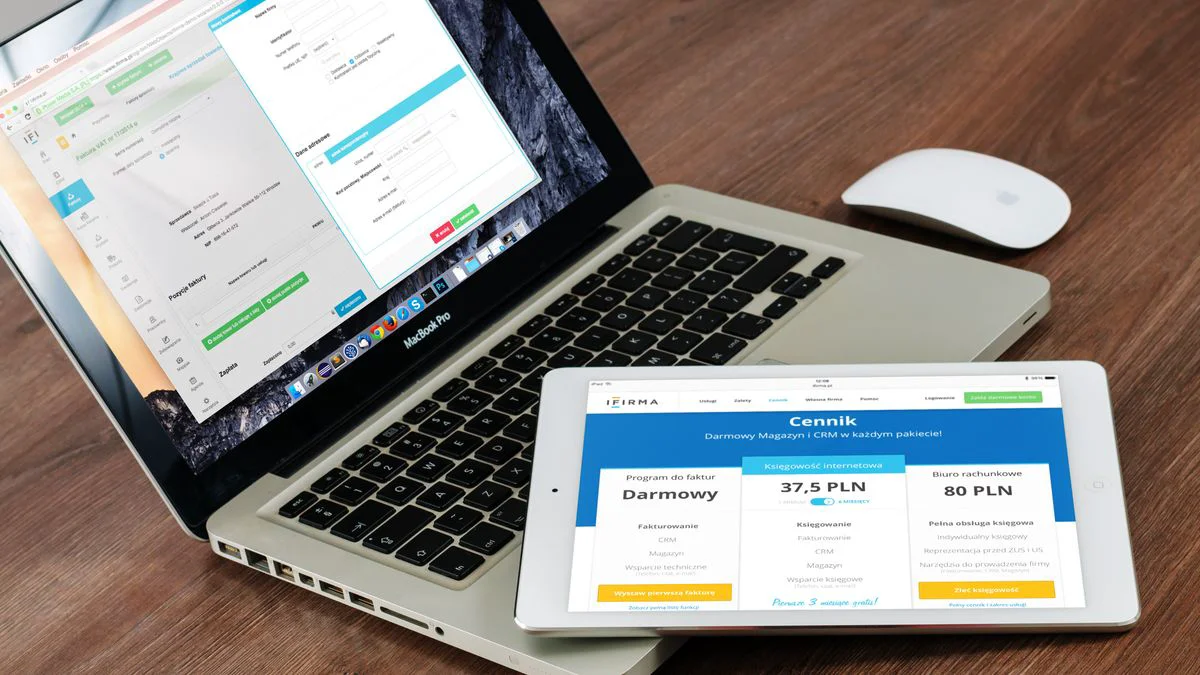
The fastest setups usually share 3 traits: a live website, a clear offer, and a known publishing destination. If a site already has service pages, product pages, or lead forms, Seonix can use that context to create better topic plans. With the CMS connection ready, articles do not need manual copy-and-paste work.
A practical first cycle can use an introductory trial format as a simple test of speed, fit, and output quality. For the full workflow from URL to published content, the step-by-step process shows how research, writing, publishing, and tracking connect.
Implementation timeline from first setup to learning loop
An initial setup period should confirm site access, integration needs, brand context, target offers, and approval roles. The next phase should produce the first content set, connect review steps, and prepare publishing. After articles go live, the tracking loop starts as pages gain impressions, clicks, and AI answer visibility signals. An automated organic growth platform works best when one owner can review the first cycle fast.
- Connect the website URL and define the main offers that should attract qualified leads.
- Choose the publishing path, including CMS integration or custom REST API delivery.
- Review the first topic queue for search intent, lead fit, and brand match.
- Approve or edit the first article drafts before direct publishing starts.
- Track visibility, clicks, indexing status, and AI answer presence after launch.
- Use performance data to refine future topics, briefs, and updates.
Tip: Assign one owner for approvals during the first week. Split ownership slows launch because content, CMS access, and brand feedback arrive from different people.
Which controls keep AI-assisted content useful and accurate?
Quality controls keep AI-assisted SEO content aligned with search intent, factual accuracy, brand positioning, and performance goals. Seonix supports this with structured inputs, approval steps, publishing controls, tracking, and ongoing improvement signals.
Useful content starts before writing. The system needs to know the target audience, offer fit, geography, exclusions, and claims the business can support. Then each article should answer the query directly, use clear headings, avoid thin repetition, and include helpful next steps.
Accuracy checks matter because AI-generated drafts can sound confident even when details need review. A practical control workflow checks product facts, service claims, pricing statements, legal risks, and examples before publishing. For regulated sectors, expert approval should stay mandatory.
Performance controls after publication
Publishing is only the midpoint. Seonix tracks organic traffic, rankings, visibility, and signals that show whether content earns attention. Pages with impressions but weak clicks may need stronger titles. Pages with clicks but weak leads may need clearer calls to action.
AI search visibility monitoring adds another layer. Buyers may see a brand in an AI-generated answer before they reach a website. Content that states clear definitions, direct answers, use cases, and comparison points can improve the chance of being understood and cited by answer engines. Technical AI readiness can also include files such as llms.txt, and teams can create one with a valid llms.txt file quickly.
Automated A/B testing should stay practical. Test titles, meta descriptions, introductions, content angles, and CTA placement where enough traffic exists. Low-traffic pages need more content reach before testing produces useful signals. Additionally, an automated organic growth platform should make these tests easier to repeat.
When is Seonix the right automated platform for organic growth?
Seonix can be the right fit when a business wants steady organic traffic growth, AI answer visibility, and direct publishing without hiring a large SEO or content team. The platform works best for teams that need repeatable output and measurable learning.

Founders benefit when organic content has stalled because nobody owns the full workflow. Marketers benefit when strategy exists but production capacity does not. Website owners benefit when they already have a CMS and want content delivered directly. Agencies benefit when they need repeatable client content operations without rebuilding the process for each account.
The fit is weaker when a business has no clear offer, no useful website, or no ability to approve claims. A platform can automate workflow, but it cannot fix unclear positioning by itself. Likewise, a company that only needs one landing page may prefer a specialist copywriter for that single asset.
Use cases that match the platform
- Lean SaaS teams that need comparison, integration, use case, and problem-aware articles.
- Local service businesses that want cost, timeline, and service-area content published often.
- Ecommerce brands that need buying guides, category support, and answer-ready educational pages.
- Agencies that manage topic planning, approvals, publishing, and reporting across multiple clients.
- Founders who want organic leads but do not want to manage SEO tools every week.
CRM and marketing platform integrations can also matter after the click. Organic content creates demand, while lead forms, email flows, and sales systems capture and nurture it. Therefore, the best setup connects SEO traffic with the same pipeline used for paid, referral, and outbound leads.
Personalized customer journeys from organic content
Organic content can do more than attract a first visit. Each article can route visitors into a more relevant journey based on search intent, offer interest, lifecycle stage, or CRM segment. A comparison article might send a high-intent buyer to a demo path, while an educational guide might trigger a nurture sequence, checklist, or related resource before a sales conversation.
This makes automation more valuable after the click. When topic planning connects to lead forms, CRM fields, and follow-up rules, visitors can receive messaging that matches what they searched for instead of entering a generic newsletter flow. Over time, teams can compare which content themes, offers, and segments create the most qualified conversations.
How should you evaluate automated platform fit before booking a demo?
Evaluate platform fit by checking your content backlog, publishing bottlenecks, CMS setup, approval process, and lead value. A demo makes sense when the workflow can save time, increase qualified content output, or improve visibility in search and AI answers.
Start with a simple audit. Count how many high-intent topics your team has not covered. Then count how many optimized articles reached the site in the last 90 days. A gap between demand and output usually shows where automation can help.
Next, review the operational fit. Does the website support direct publishing? Can one person approve drafts? Are product facts clear? Do you know which offers need more organic leads? If the answer is yes, Seonix can move faster because the platform receives clear inputs. In this case, an automated organic growth platform can turn a backlog into a live publishing queue.
Decision criteria for a high-confidence demo
- You publish fewer than 8 optimized articles per month but have many known customer questions.
- Your team spends more than 20 hours per month on SEO research, writing, formatting, and reporting.
- Your CMS publishing process includes repeated manual formatting or developer requests.
- Your brand needs visibility in both Google results and AI-generated answer experiences.
- Your agency or growth team manages several content calendars with similar workflow steps.
Compare categories honestly. A traditional agency may be better when you need deep strategy, executive workshops, and custom brand campaigns. A general writer may be better for a single thought leadership essay. An automated platform is stronger when the main pain is repeatable SEO content production at scale.
Why Seonix creates a clearer automated growth loop
An automated organic growth platform gives Seonix users a clearer growth loop because research, production, publishing, tracking, and improvement stay connected. That connected loop helps businesses grow organic visibility without turning SEO into another manual project.
The strongest outcome is not “more content” by itself. A better outcome is more useful pages that answer real buyer questions. Those pages can appear in Google, support AI answer visibility, and feed measurable lead paths. Over time, performance data should shape the next topics and updates.
For lean teams, the practical advantage is focus. Humans set direction, approve claims, and judge business value. Automation handles the repeated work that slows output, from topic planning to CMS delivery and visibility checks.
In our experience, the best automation projects start with one clear offer and one narrow audience before expanding. We would rather see 12 strong articles around a revenue-driving service than 50 broad posts that attract the wrong visitors. That practical focus shapes how we think about organic growth at Seonix.
FAQ
These answers cover the common setup, workflow, and team questions buyers ask before a demo.
Which SEO and content tasks can be automated end to end?
Seonix can automate website analysis, keyword and topic planning, SEO brief creation, AI-assisted drafting, metadata, CMS publishing, indexing support, and performance tracking. Human review still matters for brand claims, regulated facts, and final approval. The best setup keeps judgment with the team and moves repeatable production work into the platform.
How does Seonix help generate more organic leads without adding headcount?
Seonix helps generate more organic leads by increasing the number of useful, search-optimized pages that target real customer questions. The platform reduces manual research, writing coordination, upload work, and reporting. As a result, a lean team can publish more high-intent content while existing staff focus on sales, product, and conversion work.
How quickly can a business move from signup to published optimized articles?
A prepared business can often move from signup to first published optimized articles in a few days when the website, offer context, approval owner, and CMS path are ready. The first cycle usually covers setup, topic review, draft approval, publishing, and tracking activation. Slower launches usually come from unclear approvals or missing website access.
What controls keep AI-assisted content useful, accurate, and performance-focused?
Useful controls include structured business inputs, search intent checks, claim review, approval steps, CMS publishing controls, and ongoing performance tracking. Seonix supports a workflow where AI speeds production, while humans review sensitive details. After publication, traffic, visibility, clicks, and lead signals guide updates and future topic choices.
Does an organic growth platform replace automated SEO team tasks?
An automated organic growth platform can replace many recurring production tasks, but it does not remove the need for strategy and judgment. A team still needs to define target customers, offers, claims, and conversion goals. The platform is strongest when it handles repeatable execution and gives skilled people more time for decisions.
If you want to test whether this workflow fits your site, start with a small content run rather than a long planning cycle. Seonix offers a practical way to validate output, speed, and publishing fit through the trial offer.