

SEO Platform That Writes and Publishes Content: See the Seonix Workflow
Seonix is an seo platform that writes and publishes content by automating query research, article production, optimization, CMS publishing, and performance tracking for organic growth.
A lean team can spend several hours moving one article from keyword idea to live URL. Therefore, Seonix turns that work into a clear workflow. Teams can publish more often without building a large SEO desk. The work becomes easier to plan. It also becomes easier to repeat.
Search now includes Google results, AI Overviews, ChatGPT-style answers, and Gemini responses. Therefore, content must answer real customer questions and stay technically clean. It also needs enough topic depth to show up across several channels. Clear answers matter more than long, vague posts.
This article explains how an seo platform that writes and publishes content handles research, writing, optimization, publishing, quality checks, and growth tracking. Additionally, you will see how automated publishing connects to an existing CMS. You will also see how review controls reduce weak AI output. Finally, you will see how teams can measure traffic, leads, and AI visibility.
What is an SEO platform that writes and publishes content?
An seo platform that writes and publishes content is software that manages the full SEO content workflow. It moves work from query discovery to live publication and later updates. Additionally, the platform can reduce the need for separate tools. Teams can handle keyword research, briefs, drafting, optimization, CMS upload, scheduling, indexing support, and reporting in one place.
In a manual setup, a marketer often moves between several tools before one blog post goes live. For example, one team may use a keyword tool, a brief document, a writing app, an SEO checker, a CMS editor, and a spreadsheet. Each handoff adds delay. It also creates room for missed metadata, weak links, or old brand wording.
Seonix brings those steps into one operating system. The platform analyzes visibility, identifies customer queries, generates optimized articles, publishes them to the site, and tracks results over time. As a result, founders, agencies, and marketers can run automated blog content for seo while keeping control over strategy and approvals. They get more output without losing direction.
Good to know: A practical SEO content workflow commonly includes query research, SERP gap analysis, brief creation, draft writing, SEO scoring, CMS publishing, and performance review.
How Seonix Automates the SEO Content Workflow
| Workflow Stage | What Seonix Automates | Business Use Case | Quality Safeguard |
|---|---|---|---|
| Visibility audit | Search and AI presence checks | Find growth gaps | Baseline metrics |
| Query research | Customer search discovery | Build content pipeline | Intent matching |
| SERP gap analysis | Competitor topic comparison | Prioritize pages | Gap validation |
| Brief creation | Structure and angle planning | Guide article output | Brand context |
| Draft writing | Long-form article generation | Scale production | Human review option |
| SEO optimization | Scoring, headings, metadata | Improve rankings | Checklist checks |
| Publishing | CMS upload and scheduling | Reduce manual work | Approval gates |
| Indexing support | Discovery signals | Faster page pickup | Technical validation |
| Performance tracking | Traffic and lead monitoring | Improve ROI | Refresh triggers |
Seonix automates the SEO content workflow by connecting strategy, production, publishing, and improvement in one repeatable system. As a result, content ideas become optimized live pages with fewer manual handoffs. The team sees the next step at each point.
SEO platform workflow that writes and publishes content
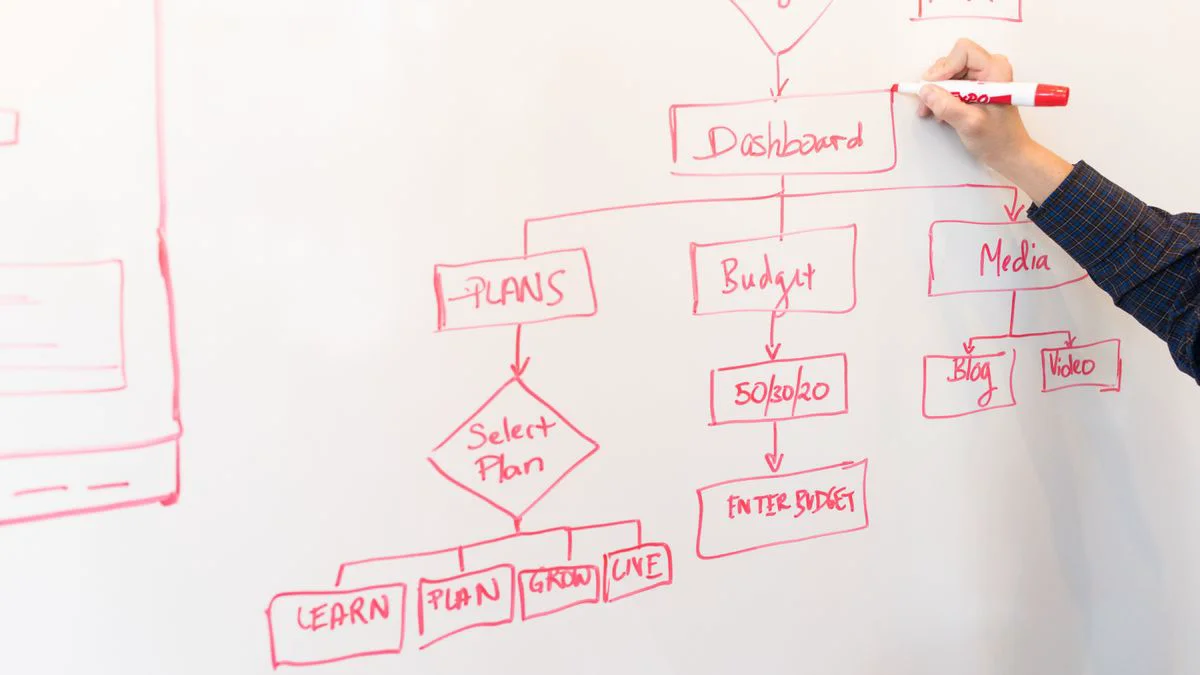
The workflow starts with visibility analysis. Seonix checks where the business already appears. It also checks where competitors answer buyer questions. Additionally, it checks which queries show commercial intent. A SaaS founder, for example, may find that many support questions also match useful search queries.
Next, Seonix turns those gaps into content briefs and drafts. The system uses AI-powered SEO content generation to create long-form articles. Each article draws from search intent, SERP gaps, brand context, and practical answers. Then real-time SEO scoring checks headings, terms, structure, metadata, and readability before the article enters approval or publishing.
Automated publishing closes the loop. Seonix can schedule content, push posts to a CMS, and support indexing signals. Therefore, new pages become easier for search engines to discover. For more detail on this part of the process, see Automated Content Publishing Without CMS Uploads.
SEO automation works best when it removes repeat work while keeping judgment in the places that affect trust, brand fit, and conversion.
Can one platform handle research, writing, optimization, and publishing?
Yes, Seonix can handle research, writing, optimization, and publishing in one workflow. The platform connects each stage. Therefore, a team does not need to manually copy keywords into briefs. It also does not need to copy drafts into editors or finished posts into a CMS.
That matters because SEO production often fails at handoff points. A writer may deliver a solid draft. However, the CMS upload can miss schema, categories, internal links, or meta descriptions. In another case, a marketer may approve 12 article ideas. However, only 3 posts go live because publishing takes too long.
Seonix reduces those gaps by treating content production as a pipeline. The platform creates a content calendar, prepares briefs, writes drafts, scores pages, and supports automated content publishing. Therefore, autoblogging becomes more controlled than simple bulk posting. Each page still maps to search demand and site goals. The goal is steady growth, not random volume.
What a publish-ready workflow looks like
A practical workflow starts with 25 to 50 target queries grouped by intent. Seonix can turn those groups into a calendar. Additionally, it can create draft articles and run optimization checks. It can also prepare CMS-ready posts with titles, headings, meta descriptions, internal link ideas, and publish dates.
Consider a B2B service site that needs 12 articles per month. A manual process might require 72 hours if each article takes 6 hours from research to publishing. With an automated workflow, the same team may spend 9 hours reviewing and approving content if each article needs 45 minutes of review.
Example: 12 articles at 6 manual hours each equals 72 hours. Meanwhile, 12 articles at 45 review minutes each equals 9 hours. The workflow saves about 63 hours in one monthly publishing cycle.
Rule of thumb: If a team publishes more than 4 SEO articles per month, automation often saves the most time at the research, formatting, and CMS upload stages.
How does automated publishing connect to an existing website or CMS?
Automated publishing connects to an existing website through CMS integrations, plugins, or a custom REST API. Seonix can send approved content directly into a site structure. As a result, teams reduce manual formatting and keep publishing schedules consistent.

Most websites already have rules for categories, authors, slugs, images, and internal links. Therefore, a seo platform with automatic publishing must respect the current setup. It should not force a rebuild. Seonix supports direct publishing to existing websites through integration options, including a custom REST API.
WordPress teams can connect publishing workflows through plugin-based automation. If WordPress is your main CMS, Seonix provides a dedicated path for publishing AI-assisted SEO content to WordPress without repeated copy-and-paste work.
CMS automation for an SEO platform that writes and publishes content
A good CMS publishing setup should pass more than body copy. The system should prepare the post title, URL slug, meta title, meta description, headings, tags, category, author, featured image instructions, and publish date. Additionally, missing key fields can weaken quality or slow review.
Scheduling matters because consistent output compounds over time. A content calendar with 3 posts per week creates 156 publish slots per year. However, manual uploading can break that rhythm. Marketers still have launches, reporting, sales tasks, and team meetings to handle.
Seonix supports multi-platform integrations and publishing workflows, so agencies and site owners can route content to different destinations. For deeper implementation detail, the article on CMS APIs and publishing workflows explains how automated content publishing works across systems.
Tip: Before connecting automation, confirm 5 CMS fields: post type, author, category, slug format, and approval status. These fields prevent drafts from going live in the wrong place.
What safeguards stop generic AI content from going live?
Strong safeguards stop generic AI content by combining brand context, intent checks, SEO scoring, fact review, approval controls, and post-publish monitoring. Therefore, Seonix supports quality control before publishing. Automation does not mean unchecked output.
Generic AI content often shows 3 problems: broad claims, repeated structure, and weak examples. Those issues can harm trust, especially in service pages, B2B articles, and comparison content. A quality workflow must check whether each article answers a real customer query with useful detail.
Seonix uses SEO briefs, brand inputs, optimization checks, and human-in-the-loop review options to reduce risk. Teams can approve drafts before publishing. They can also set editorial rules and use review gates for sensitive topics. As a result, the workflow supports scale without treating every article as a throwaway blog post. Review rules keep the system useful.
Editorial governance for safe scaling
Editorial governance is the set of rules that controls what content can be created, approved, changed, and published. In an automated content marketing platform, governance protects brand voice, legal risk, factual accuracy, and conversion quality.
A practical governance model includes 4 controls. First, define topics the system can cover. Second, set article formats and tone rules. Third, require review for high-risk pages. Finally, track changes after publication so declining content can be refreshed.
Seonix fits teams that want automation with approval controls. Agencies can review client content before publishing. Meanwhile, founders can approve strategic pages and let low-risk educational posts follow a faster route. A dedicated quality checklist for automated SEO content can help teams define these checks before scale increases.
Watch out: Bulk content creation without review can multiply weak pages fast. A safer setup starts with 10 to 20 approved articles. Then expand once scoring, tone, and publishing rules prove stable.
How do businesses measure traffic, lead, and AI visibility gains?
Businesses measure gains by tracking organic impressions, clicks, rankings, indexed pages, assisted conversions, lead source data, and brand mentions in AI answers. Additionally, Seonix keeps improving results by watching performance and finding content that needs updates.

Traffic alone does not prove growth. A page with 2,000 monthly visits but no qualified leads may matter less than a page with 200 visits and 8 demo requests. Therefore, reporting should connect visibility to business outcomes, not only ranking charts.
Seonix helps teams watch both search and AI visibility. AI search and answer-engine optimization focuses on whether brand content gets cited, mentioned, or used to answer buyer questions in tools like ChatGPT and Gemini. This matters because some buyers now compare options before they click a website.
ROI and time-savings calculation for automated publishing
A clear ROI model should compare manual hours, publishing volume, review time, traffic growth, and lead value. Even without assigning a price to every task, a team can see whether automation removes enough work to justify the switch.
Use a simple monthly model. If a team publishes 8 articles, and each manual article takes 6 hours, manual production uses 48 hours. If Seonix reduces review and publishing time to 45 minutes per article, the team spends 6 hours. As a result, the team saves 42 hours that month.
Growth tracking then adds outcome metrics. Track impressions after 30 days, clicks after 60 to 90 days, leads by landing page, and content refresh opportunities each month. For a broader buying framework, compare what to check before choosing SEO automation tools against your team size, CMS, and review needs.
Who benefits most from an SEO platform that writes and publishes content?
An seo platform that writes and publishes content fits teams that need steady output but lack time for manual SEO production. The strongest fit includes founders, lean marketing teams, agencies, local service brands, SaaS companies, and website owners with existing CMS workflows.
Founders often need content before they can hire a full marketing team. Seonix helps them turn customer questions into articles, publish through the existing site, and measure early demand. For example, a founder with 30 sales-call questions can use those questions as a content backlog.
Marketing teams benefit because automation removes repetitive work. Instead of spending hours on brief creation and uploads, marketers can focus on positioning, offers, conversion paths, and campaign decisions. Additionally, agencies gain another advantage. Multi-client publishing can run through repeatable controls and approval steps.
- Founders: Build search demand before a full SEO hire.
- Marketers: Publish more articles without adding manual CMS work.
- Agencies: Manage multi-client workflows with approval controls.
- Website owners: Add optimized content to an existing site through integrations.
- SaaS teams: Turn feature, pain point, and comparison queries into long-form content.
Automated blog content platform workflows also support content refreshes. If older pages lose clicks, Seonix can flag them for updates, new sections, better internal links, or clearer answers. This matters because SEO growth depends on new pages and upkeep of existing assets.
Practical recommendations before adopting SEO content generation and publishing software
Before adopting seo content generation and publishing software, confirm the platform can match your site, approval needs, content quality bar, and reporting goals. The best fit is the system that removes manual work while keeping your team in control of strategy.
Start with your current bottleneck. Some teams need keyword research. Others need writing volume, CMS publishing, or reporting. Seonix covers the full chain, but your rollout should begin where the time loss is largest.
A practical move from manual publishing may take 2 to 4 weeks for many lean teams. Week 1 covers goals, site access, and content rules. Week 2 covers query research, workflow setup, and CMS connection. Additionally, weeks 3 and 4 test drafts, approvals, scheduling, and performance baselines.
- List the 20 most common customer questions from sales, support, and search data.
- Group questions by buying intent, product fit, and topic cluster.
- Connect the CMS through the right integration path or API.
- Set approval rules for drafts, edits, and live publishing.
- Publish a controlled first batch of 5 to 10 articles.
- Review rankings, clicks, leads, and AI mentions after the first measurement cycle.
Pricing also matters during evaluation. If you want to compare plan fit before setup, review the available SEO content automation plans and match the publishing volume to your growth goals.
The best automated SEO programs start narrow and get sharper fast. Seonix would rather publish 10 well-controlled articles from strong customer questions than 100 broad posts with weak intent. That judgment comes from seeing how small workflow choices affect trust, search fit, and conversion quality.
FAQ
These answers cover the main setup, review, timing, and automation questions teams ask before using Seonix.
Can Seonix publish content directly to my existing website?
Yes, Seonix can publish content to an existing website through supported integrations, including CMS workflows and a custom REST API. WordPress teams can also use a dedicated plugin route. The setup should define post type, categories, authors, slugs, approval status, and scheduling rules before articles go live.
Does this SEO automation replace human editors?
An seo platform that writes and publishes content reduces manual research, drafting, optimization, and publishing work. However, it does not remove judgment from the process. Human review still matters for sensitive topics, brand claims, legal risk, and conversion messaging. Seonix supports approval controls so teams can choose where review is required.
How fast can automated SEO articles start showing results?
Indexing can happen faster when publishing and discovery signals stay clean. However, growth depends on site authority, competition, content quality, and query demand. Many teams track early impressions within 30 days, clicks over 60 to 90 days, and lead quality after pages receive steady traffic.
What makes automated content different from basic AI writing?
Basic AI writing creates text. However, automated SEO content production manages the full path from query research to optimized publishing and tracking. Seonix adds SERP gap analysis, briefs, SEO scoring, CMS publishing, scheduling, quality controls, indexing support, and performance improvement. That makes the workflow more useful for business growth.
Why an seo platform that writes and publishes content is worth evaluating now
An seo platform that writes and publishes content is worth evaluating because organic growth now depends on speed, quality control, CMS execution, and visibility across search and AI answers. Seonix brings those tasks into one managed workflow. Therefore, teams can publish useful content without rebuilding their marketing team around manual SEO work.
The strongest case is not simple content volume. The stronger case is controlled output tied to buyer questions, clean publishing, measurable leads, and ongoing improvement. When automation handles repeat work, your team can spend more time on offers, positioning, product insight, and customer proof.
If you want to see how automated SEO content works on a real site, start with 3 SEO articles in 3 days. Seonix can show the workflow from content creation to publishing. As a result, you can judge fit before scaling the program with an seo platform that writes and publishes content.